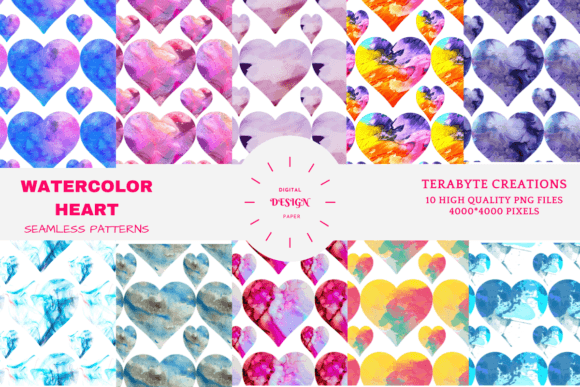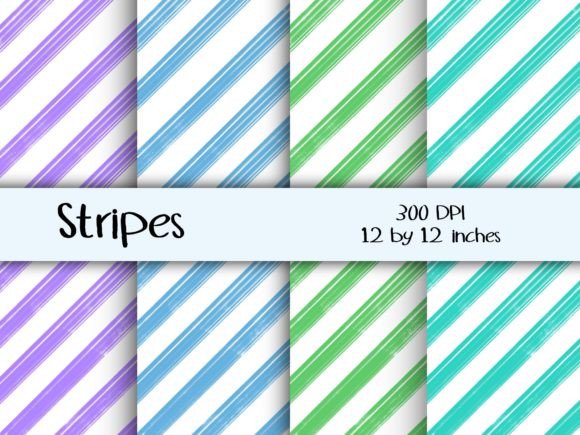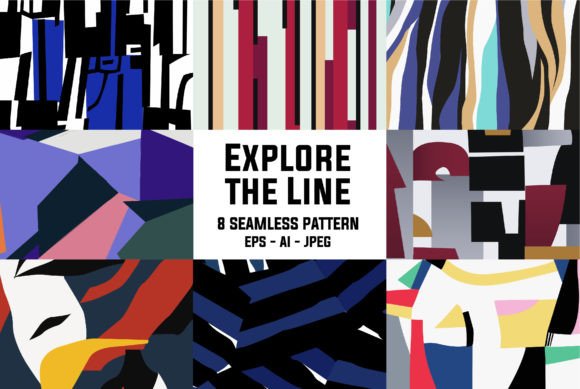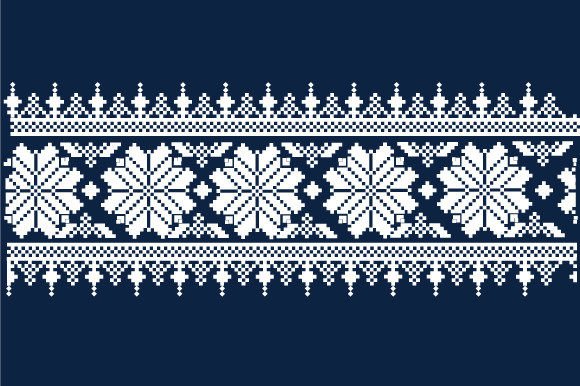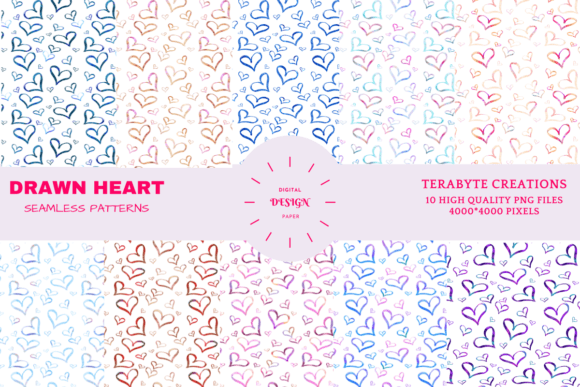
Drawn Heart Pattern: Timeless Warmth Meets Modern Design Flexibility
A drawn heart pattern isn’t just a motif—it’s a quiet gesture of intention. Hand-drawn, softly imperfect, and gently organic, it bridges emotional resonance with contemporary design sensibility. Unlike rigid geometric repeats or overly stylized icons, this pattern carries the warmth of human touch: subtle line variations, gentle tapering strokes, and balanced negative space that breathe naturally across any surface. It’s why designers, small business owners, and DIY creators are turning to drawn heart seamless patterns not as a passing trend, but as a versatile, emotionally intelligent design tool.
Why Seamless Drawn Heart Patterns Fit Today’s Creative Realities
Today’s workflows demand flexibility without compromise. Whether you’re a wedding stationer preparing custom invites for a spring elopement, a textile designer developing a capsule collection for sustainable loungewear, or a café owner refreshing branded packaging—speed, scalability, and aesthetic cohesion matter. A high-resolution drawn heart seamless pattern delivers all three. At 4000 × 4000 pixels in JPG format, it scales cleanly from a business card background to a full-wall mural without pixelation. Because it’s seamless, it tiles effortlessly—no visible seams, no manual alignment—freeing up time for refinement rather than repetition.
This aligns with how professionals actually work now: remotely, across devices, often juggling multiple roles. You don’t need proprietary software to use it. Import it into Canva for social media banners, Adobe Illustrator for vector-based fabric repeats, or even Procreate for hand-lettered invitation overlays. Its natural, uncluttered rhythm complements minimalist branding while still offering visual interest—making it especially relevant for wellness studios, botanical brands, indie publishers, and conscious lifestyle labels.
More Than Decoration: How This Pattern Supports Intentional Design Choices
Designers increasingly prioritize meaning alongside aesthetics. A drawn heart isn’t generic romance—it suggests care, authenticity, and grounded connection. That subtlety resonates in spaces where users seek calm and sincerity: nursery wall decals, linen napkin prints, meditation journal covers, or eco-friendly soap labels. It avoids cliché by leaning into texture and restraint—think fine ink lines on oat-colored paper, or soft charcoal tones on organic cotton.
In practice, this means your brand doesn’t shout; it invites. A boutique hotel using a drawn heart pattern on guest welcome cards and throw pillow covers creates continuity without monotony. A freelance educator might incorporate it into printable planners for students—soft enough to feel supportive, distinctive enough to reinforce their teaching identity. Even in digital contexts, like email headers or website section dividers, the pattern adds tactile warmth that flat graphics often lack.
Real-World Applications That Go Beyond Expectations
- Furniture & Home Interiors: Apply to painted dresser fronts, stenciled ceiling borders, or laminated tabletops—its organic flow softens modern lines and adds personality to neutral palettes.
- Packaging with Purpose: Small-batch skincare or artisan chocolate brands use it on kraft boxes and tissue wraps to signal handmade care without overwhelming the product itself.
- Printed Paper Goods: From foil-stamped wedding programs to letterpress birthday cards, the pattern holds detail beautifully at both large and micro scales.
- Digital Brand Assets: Layer it subtly behind website text blocks or use it as a watermark for downloadable resources—adding depth without sacrificing readability.
What Changed? Why Now Is the Right Moment for Thoughtful Repetition
Pattern usage has evolved significantly in the last decade. Early digital design often favored bold, maximalist repeats—loud, saturated, and highly structured. Today, there’s a noticeable pivot toward quieter, more considered repetition. Consumers respond to visual calm. Social feeds overflow with content; physical spaces compete for attention. In that context, a drawn heart seamless pattern functions like visual white space—it grounds, soothes, and focuses.
Technology also plays a role. High-fidelity screen displays and affordable home printing mean designers no longer sacrifice quality for convenience. You can preview how the pattern renders on matte paper versus satin fabric before committing—and adjust contrast or color balance non-destructively. That level of control makes experimentation low-risk and high-reward.
Getting Started: Practical Tips for Best Results
Since these are instant-download JPG files delivered in a ZIP folder, preparation is minimal—but thoughtful. First, ensure you have basic archive software installed (7-Zip, PeaZip, or built-in tools on macOS and Windows 10/11 work perfectly). Extract the folder, then organize files by resolution or intended use—some creators keep separate folders for “fabric scale,” “wallpaper scale,” and “digital overlay” versions.
When applying to physical materials, test print a small swatch first—especially if using textured paper or natural fibers. Ink absorption varies, and slight adjustments to brightness or saturation may enhance clarity. For fabric projects, consider how the repeat aligns with garment seams or cushion dimensions; many design apps let you preview tile behavior before cutting.
If you’re integrating into branding, treat the pattern as a supporting element—not the sole identifier. Pair it with a clean sans-serif typeface and a limited palette (e.g., warm taupe, deep clay, and off-white) to maintain sophistication. Avoid over-layering; let the drawn heart’s simplicity remain legible.
Not Just for “Crafters”: Professional Use Cases You Might Overlook
It’s easy to assume drawn heart patterns suit only personal or decorative projects—but their utility extends further. Marketing teams use them in presentation decks to soften data-heavy slides. Therapists and coaches apply them to downloadable worksheets, reinforcing themes of compassion and self-awareness. Local governments and nonprofits have incorporated similar motifs into community engagement materials—making public information feel more approachable and human-centered.
Even educators building online courses embed these patterns into slide backgrounds or certificate templates. The effect is subtle but meaningful: it signals that learning isn’t transactional—it’s relational. That nuance matters when trust and retention are priorities.
A Pattern With Room to Grow—With You
What makes the drawn heart pattern enduring isn’t its shape, but its adaptability. It doesn’t lock you into a single mood or message. Shift the color, layer it with botanical line art, reduce opacity for a watermark effect, or invert it for dark-mode interfaces—and it remains recognizably itself. That kind of resilience is rare in design assets.
As creative work continues to blur professional and personal boundaries, having a resource that supports both precision and feeling becomes essential. You’re not just downloading a file—you’re adding a flexible, emotionally intelligent tool to your workflow. One that works as hard as you do, without demanding extra steps or specialized knowledge.
So whether you're sketching ideas on a napkin or finalizing a client pitch deck, remember: great design starts with intention—and sometimes, that intention wears the gentlest of hearts.