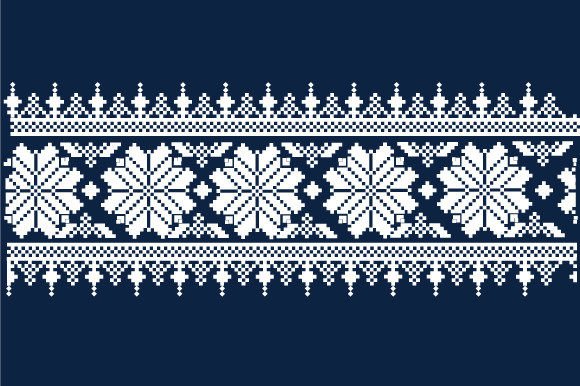
Ukrainian Pattern Design
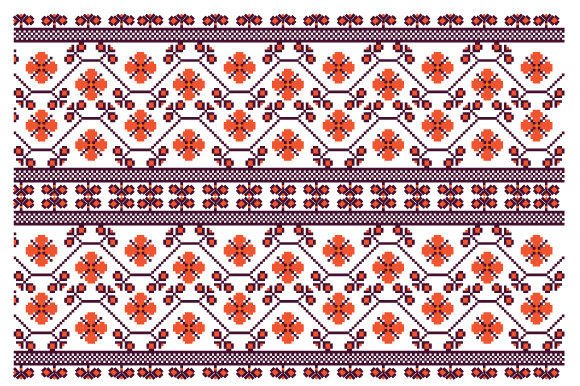
Ukrainian Pattern Design refers to a visual language rooted in centuries-old folk art traditions, characterized by rhythmic symmetry, symbolic motifs, and vibrant color palettes. These patterns originate from regional embroidery, weaving, pottery, and woodcarving practices across Ukraine—each carrying cultural meaning tied to identity, protection, fertility, or seasonal cycles. Today, Ukrainian Pattern Design is adapted digitally for modern applications, especially textile printing, surface design, branding, and digital templates. Unlike generic geometric or floral repeats, authentic Ukrainian patterns often incorporate stylized flora (like the oak leaf or periwinkle), animals (such as the horse or rooster), and cosmological symbols (including sun wheels and eight-pointed stars), arranged in balanced, repeatable compositions.
Designers, crafters, and small-batch textile producers may explore Ukrainian Pattern Design for several practical reasons. Some seek culturally resonant visuals for heritage-based product lines—such as table linens, scarves, or home décor items. Others require versatile, high-fidelity background assets for print-on-demand services, packaging mockups, or web design projects where authenticity and visual impact matter. Still others use these patterns in educational contexts, to teach traditional motifs or support cultural preservation efforts. The appeal lies not only in aesthetic richness but also in the narrative weight these designs carry—offering more than decoration, they offer continuity.
When evaluating Ukrainian Pattern Design for textile or template use, consider both functional and contextual benefits. High-resolution files—including EPS, SVG, AI, PDF, JPEG (300 DPI), and PNG—provide flexibility across workflows: vector formats scale infinitely without quality loss, making them ideal for large-format fabric printing; raster files suit quick digital previews or social media assets; and layered AI files allow for color adjustments or motif isolation. The bright, saturated palette typical of many Ukrainian patterns—featuring cobalt blues, cherry reds, sunflower yellows, and forest greens—enhances visibility and emotional resonance, particularly on natural fibers like linen or cotton. However, this vibrancy requires careful color management: screen displays may not fully replicate printed results, especially on dyed textiles, so physical swatches are recommended before bulk production.
A key consideration is authenticity versus adaptation. While some Ukrainian Pattern Design resources draw directly from documented ethnographic sources—such as archival embroidery charts from the Hutsul or Polissia regions—others reinterpret motifs freely. Users should assess whether symbolic accuracy matters for their project. For example, a cultural exhibition or museum publication may prioritize historically grounded patterns, whereas a fashion brand launching a seasonal collection might value stylistic reinterpretation over strict fidelity. Also note that not all repeating patterns translate equally well across fabric widths: narrow repeats work efficiently on scarves or ribbons, while larger-scale motifs may better suit upholstery or wall hangings. Always verify tile dimensions and seam alignment in the provided files before scaling.
Ukrainian Pattern Design is a strong fit when your goals align with cultural specificity, visual distinction, and scalable repeatability. It excels in contexts where differentiation matters—such as artisanal textile labels competing in saturated markets—or where storytelling enhances perceived value, like limited-edition stationery or wedding collections inspired by Ukrainian traditions. It also supports accessibility in design: clear rhythm, strong contrast, and intentional spacing make many of these patterns legible and adaptable for inclusive visual systems. If you're working with Adobe Illustrator or similar vector-based tools, the included AI and EPS files integrate smoothly into existing asset libraries, allowing for custom recoloring, resizing, or combination with other graphic elements.
That said, alternatives may be preferable depending on your constraints. If your project demands strict neutrality—for instance, corporate-branded merchandise where cultural association could unintentionally signal alignment beyond scope—generic folk-inspired patterns from broader Eastern European or Slavic traditions may offer similar visual rhythm without specific national connotations. Similarly, if scalability across ultra-large surfaces (e.g., architectural wall coverings) is required and file complexity becomes a bottleneck, simplified algorithmic repeats or procedural textures might offer more predictable rendering performance. Budget and licensing are also factors: while the ZIP package described includes multiple formats, verify usage rights—especially for commercial redistribution or resale of derivative products—as terms vary between creators and repositories.
Practical decision-making starts with clarifying intent. Ask yourself: Is cultural resonance central to the project’s purpose? Do you need full control over color, scale, and layout—or is a ready-to-print solution sufficient? What output mediums will the pattern serve? If the answer involves fabric printing, branding with heritage depth, or educational material about Ukrainian visual culture, then Ukrainian Pattern Design offers tangible advantages. If instead your priority is speed, minimal editing, or broad stylistic compatibility across global markets, a more generalized folk-art library may reduce friction. Also consider technical capacity: SVG and AI files assume familiarity with vector editing; users relying solely on raster-based tools (e.g., Photoshop-only workflows) may find JPEG and PNG files more immediately usable, though less flexible long-term.
Finally, evaluate expectations realistically. Ukrainian Pattern Design does not automate production—it provides foundational assets that still require thoughtful integration. A 300 DPI JPEG ensures clarity for standard print runs, but fine-tuning halftone settings or ink saturation remains necessary for optimal textile outcomes. Likewise, SVG files preserve editability but do not guarantee automatic color harmony across all devices; soft-proofing remains essential. The strength of these patterns lies in their intentionality—not just as decoration, but as carriers of form, meaning, and continuity. When matched to appropriate use cases and supported by informed technical choices, Ukrainian Pattern Design supports both aesthetic and cultural objectives without compromising practicality.