Ukrainian Folk Patterns: Strategic Texture for Purpose-Driven Design
Ukrainian folk art is not decoration—it’s distilled cultural intelligence. For decades, its bold geometry, symbolic symmetry, and vibrant chromatic language have anchored identity, communicated meaning, and reinforced communal memory. Today, that same visual language offers more than aesthetic appeal: it delivers strategic texture. When applied thoughtfully to textile fabrics or digital templates—as backgrounds, overlays, or structural motifs—Ukrainian folk patterns become functional assets. They support clarity in branding, deepen emotional resonance in customer experience, and elevate creative output without sacrificing professionalism.
Why Ukrainian Folk Patterns Belong in Your Visual Toolkit
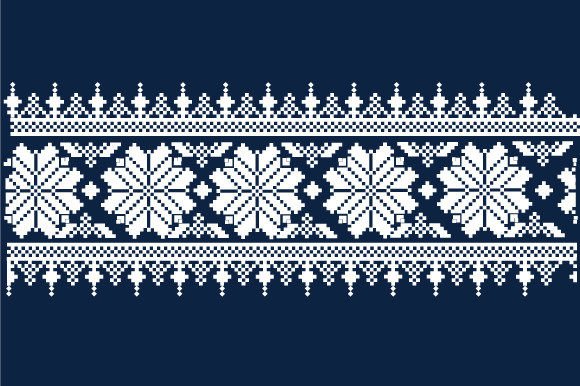
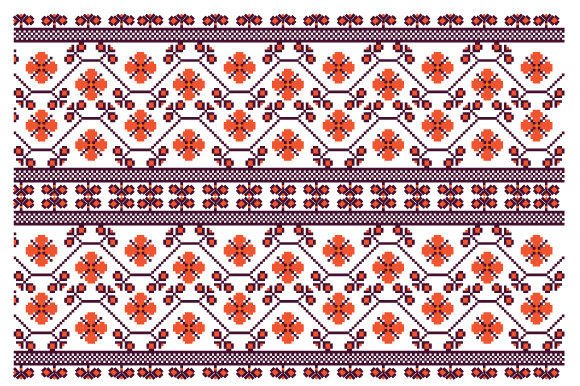
Unlike generic stock patterns, Ukrainian folk motifs carry embedded intentionality. A red-and-black vyshyvanka border isn’t merely ornamental—it signals protection, continuity, and rootedness. A sun motif (solntse) conveys vitality; a stylized oak suggests strength and endurance. These aren’t arbitrary symbols—they’re shared cognitive anchors with measurable psychological weight. When you select a Ukrainian folk pattern for a product label, website background, or fabric print, you’re not choosing “something pretty.” You’re selecting a visual shorthand with built-in narrative gravity.
This matters most when your goals include differentiation, trust-building, or cross-cultural resonance. Small business owners launching artisanal goods benefit from the authenticity Ukrainian folk patterns convey. Educators designing learning materials gain immediate visual scaffolding for themes of heritage and resilience. Marketers building campaigns around sustainability or craftsmanship find natural alignment—many traditional Ukrainian motifs originate from agrarian life, seasonal cycles, and hand-based production.
Practical Application: From Template to Tactical Advantage
The attached ZIP file contains six scalable, production-ready Ukrainian folk patterns—each delivered in EPS, AI, PDF, SVG, high-res JPEG (300 DPI), and transparent PNG. This isn’t just convenience; it’s operational leverage. Vector formats ensure crisp reproduction at any scale—from embroidery digitization to billboard graphics. Transparent PNGs allow seamless layering over photos or gradients. SVGs integrate natively into web design systems without bloating load time.
Consider these grounded use cases:
- Branding consistency: Use one pattern as a subtle background in email headers, presentation decks, and invoice footers—reinforcing identity without overwhelming content.
- Product differentiation: Apply a single motif across packaging, hang tags, and social media banners to unify physical and digital touchpoints.
- Educational materials: Integrate simplified versions into worksheets or slide templates—leveraging visual familiarity to reduce cognitive load for learners engaging with complex topics.
- Textile development: Scale motifs precisely for repeat tile layouts on scarves, table linens, or upholstery—using Illustrator’s pattern tool to maintain proportional integrity across fabric widths.
Crucially, none of this requires fluency in Ukrainian culture—but it does require intention. Ask: What outcome do I want this background to support? If the answer is “just to look nice,” pause. Random application dilutes impact. Strategic use begins with alignment—not aesthetics alone.
When Ukrainian Folk Patterns Add Value—and When They Don’t
Timing and context determine whether Ukrainian folk patterns amplify or obscure your message. They add value when:
- Your audience has existing cultural connection—or openness to meaningful symbolism;
- You’re communicating values like authenticity, resilience, craft, or intergenerational knowledge;
- You need visual cohesion across multiple platforms or product lines;
- You’re operating in sectors where warmth, humanity, or narrative depth strengthens perception—education, wellness, handmade goods, or community-focused services.
They risk misalignment when:
- Applied without understanding motif meaning—e.g., using a mourning-related border (black-and-white only) in celebratory branding;
- Overlaid on busy imagery or low-contrast text, compromising readability;
- Treated as interchangeable “ethnic decor” rather than intentional visual strategy;
- Used in isolation—without complementary typography, color palette, or voice that honors the tradition’s integrity.
There’s no universal “best” pattern. A dense, multi-color floral arrangement may energize a festival poster but overwhelm a meditation app interface. A restrained geometric repeat might anchor a corporate report but feel too quiet for a children’s book cover. Match density, contrast, and rhythm to your medium’s purpose—not just its dimensions.
Planning Your Implementation: Three Decision Filters
Before importing an AI file or setting a repeat tile, run these checks:
- Goal filter: What specific outcome must this background enable? (e.g., “Increase perceived craftsmanship in our online store” or “Signal cultural respect in a school curriculum”). If the goal isn’t concrete, delay implementation.
- Context filter: Where will this appear? Assess lighting (screen vs. print), viewing distance (billboard vs. business card), and adjacent elements (text weight, image complexity). A high-contrast pattern works for signage; a low-contrast variant suits subtle watermarking.
- Consistency filter: Does this pattern coexist logically with your existing visual system? It should complement—not contradict—your typography hierarchy, primary color usage, and tone of voice. If it feels “tacked on,” revise your broader system first.
This isn’t about perfection. It’s about reducing noise. Every Ukrainian folk pattern you deploy should earn its place by serving a defined function—not filling empty space.
Long-Term Value: Beyond Trends
Fashion cycles fade. Algorithms change. But visual languages rooted in enduring human values retain relevance. Ukrainian folk patterns have survived centuries of upheaval because they encode what people need to remember: connection, continuity, care. That durability translates directly to long-term brand equity. A company that uses these motifs with respect and clarity signals stability—not trend-chasing.
Moreover, working with vector-based Ukrainian folk patterns builds internal capability. Learning how to adjust tile spacing, recolor intelligently (not just auto-replace), or adapt scale for different substrates develops visual literacy across teams. That competence compounds: designers make faster decisions, marketers articulate visual rationale more clearly, educators adapt resources efficiently.
Finally, sourcing ethically matters. These files are original adaptations—not extracted scans of sacred artifacts. They honor tradition while enabling practical use. That balance—between reverence and utility—is where real strategic advantage lives.
Getting Started Without Overcommitting
You don’t need to overhaul your entire visual system to begin. Start small:
- Replace one generic background in a recurring template (e.g., a newsletter banner) with a single Ukrainian folk pattern—then track engagement metrics for two months.
- Print one motif on a small-run batch of fabric swatches and test reactions from five trusted customers or collaborators. Note what they *feel*, not just what they say.
- Use the SVG version to create a subtle animated hover effect on a key CTA button—testing whether rhythmic repetition increases dwell time.
Measure outcomes, not just output. Did clarity improve? Did resonance deepen? Did production time decrease thanks to reusable, scalable assets? Let evidence—not assumption—guide expansion.
Ukrainian folk patterns are tools—not talismans. Their power emerges not from mystique, but from disciplined application. When matched to clear goals, grounded in context, and treated as part of a larger system, they deliver tangible returns: stronger positioning, more memorable communication, and visual infrastructure that lasts.